When it comes to investing, many Christians find themselves navigating a complex landscape of financial choices without a clear moral compass. The world offers endless investment opportunities, each promising returns and wealth accumulation, yet Scripture offers something far more valuable: timeless principles that anchor our financial decisions in biblical truth. Understanding and applying biblical principles for investing your money isn’t simply about maximizing returns or beating the market. It’s about recognizing our role as stewards of God’s resources, managing them with integrity and wisdom, and allowing our investment choices to reflect our deepest values and faith commitments.


The foundation of Christian investing begins with a fundamental realization that we don’t truly own our possessions. Everything we have is entrusted to us by God, and our responsibility is to manage these resources faithfully. This perspective transforms how we approach investing—it’s no longer purely about personal gain, but about honoring God through wise stewardship, supporting ethical businesses, and allowing our money to work toward purposes that align with our faith. As you explore these seven biblical principles for investing your money, you’ll discover that Scripture addresses the details of our financial lives more comprehensively than many realize. From the principle of diligent work and consistent saving to the imperative of maintaining integrity in business relationships, the Bible equips us with both philosophical frameworks and practical wisdom.
This comprehensive guide explores seven core biblical principles that should shape every Christian investor’s approach to financial growth. Whether you’re just beginning to learn how to start Christian investing, or you’re an experienced investor seeking to align your portfolio with your values, these principles provide essential guidance. By grounding your investment strategy in Scripture, you position yourself to make decisions that honor God while building lasting wealth. Let’s examine each principle in depth, exploring its biblical foundation, modern application, and practical examples that demonstrate how these ancient truths remain remarkably relevant to contemporary investing.
Principle 1: Stewardship—Everything Belongs to God
The first and foundational principle for biblical investing is stewardship. This principle rests on a singular, transformative truth: God owns everything. We are not the ultimate proprietors of our possessions, investments, or income. Rather, we are stewards—managers who are entrusted with God’s resources for a season and who will ultimately give account for how we’ve handled them. This understanding fundamentally reframes the entire investing conversation. We no longer ask, “How can I maximize my personal wealth?” but rather, “How can I faithfully manage God’s resources to honor Him and serve others?”
“The earth is the Lord’s, and everything in it, the world, and all who live in it; for he founded it on the seas and established it on the waters.” — Psalm 24:1 (NIV)
This declaration from Psalm 24 provides the cornerstone for all Christian financial stewardship. The psalmist isn’t being poetic or metaphorical—he’s stating a theological reality. God is the ultimate owner. Our bank accounts, investment portfolios, and income streams all belong to Him. When we internalize this truth, it changes our motivation for investing. We stop pursuing wealth for its own sake and start considering how our investments can reflect God’s values and advance His purposes in the world.
The parable of the talents in Matthew 25 illustrates this stewardship principle in action. Jesus describes a master who entrusts his wealth to three servants before traveling abroad. One servant receives five talents, another receives two, and the third receives one. The servants with five and two talents immediately invest their resources and double their master’s money. The third servant, paralyzed by fear, buries his single talent in the ground. When the master returns, he commends the first two servants for their faithful stewardship and investment but condemns the third for failing to put the resource to work. The lesson is profound: God expects us not only to preserve what He’s given us but also to actively invest and multiply it.
“Again, it will be like a man going on a journey, who called his servants and entrusted his wealth to them. To one he gave five talents of money, to another two talents, and to another one talent, each according to his ability. Then he went on his journey.” — Matthew 25:14-15 (NIV)
For the modern investor, stewardship means taking responsibility for learning about different investment vehicles and making informed decisions. It means understanding what Christian investing means and exploring options like types of Christian investing that align your portfolio with your values. Stewardship means avoiding the temptation to be either recklessly aggressive or fearfully passive. Instead, it calls us to prudent, thoughtful management that considers not only financial returns but also the ethical and spiritual implications of where we invest.
In practical terms, stewardship shapes your investment decisions in several ways. First, it encourages diversification and risk management because you’re managing God’s resources, not taking wild gambles with His money. Second, it prompts you to consider whether your investments support businesses and practices that honor God. A steward wouldn’t knowingly invest in companies engaged in practices that contradict biblical values, just as an estate manager wouldn’t squander a wealthy patron’s assets on frivolous ventures. Third, stewardship motivates you to seek counsel and education. A responsible steward doesn’t make uninformed decisions about significant resources. Instead, you’ll naturally gravitate toward learning more about investment strategies, studying what the Bible says about money, and considering how your investments can serve both your family’s needs and God’s purposes.
Principle 2: Diligence—The Ant Principle of Consistent Saving
The second biblical principle for investing is diligence. While stewardship addresses our philosophy of ownership, diligence addresses our practice and discipline. Scripture repeatedly commends the diligent and warns against laziness. When it comes to investing, diligence means consistently setting aside resources, educating yourself about financial opportunities, and maintaining disciplined habits that build wealth over time. The Bible holds up an unlikely but powerful example of diligence: the ant.
“Go to the ant, you sluggard; consider its ways and be wise! It has no commander, no overseer or ruler, yet it stores its provisions in summer and gathers its food at harvest. How long will you lie there, you sluggard? When will you get up from your sleep?” — Proverbs 6:6-8 (NIV)
This passage from Proverbs 6 has become famous among Christian financial teachers, and for good reason. The ant demonstrates several key principles of diligent investing. First, ants work without external motivation or supervision. They don’t need a manager to make them productive; their nature drives them toward purposeful labor. As investors, we should cultivate this same internal motivation rather than waiting for others to manage our finances or for external circumstances to push us toward saving and investing. Second, ants plan for seasons. They don’t consume everything they gather during harvest; they store provisions for future scarcity. This embodies the investor’s mindset of delayed gratification and future-oriented thinking. Third, ants understand that consistent, small efforts compound into significant results. Individually, an ant is tiny, but collectively, an ant colony accomplishes remarkable feats.
“Lazy hands make for poverty, but diligent hands bring wealth.” — Proverbs 10:4 (NIV)
The connection between diligence and wealth appears repeatedly in Proverbs. This isn’t a guarantee that diligent people will become wealthy—many factors beyond our control affect financial outcomes—but rather an observation that diligence creates the conditions for financial success. When you consistently work, save, and invest, you set yourself on a trajectory toward financial stability and growth. Diligence also encompasses the effort required to understand your investments. Rather than passively handing your money to someone else or making random investment choices, diligent investors take time to learn. They read, ask questions, seek counsel, and make informed decisions. This might mean exploring Christian investing platforms compared to find the best fit for your values and goals, or studying Christian investment screening methods to understand which companies align with your beliefs.
In the modern investing context, diligence takes on several practical forms. It means establishing a regular savings plan and consistently contributing to investment accounts, whether through employer-sponsored retirement plans, IRAs, or brokerage accounts. The key is consistency. Someone who invests $200 monthly for 30 years will accumulate significantly more wealth than someone who occasionally contributes larger amounts. This is the power of compound interest working in your favor. Diligence also means staying informed about your investments. Successful investors don’t set their portfolio and forget about it. Instead, they regularly review their holdings, monitor performance, and make adjustments when their circumstances or market conditions change.
Consider a practical example: A young Christian professional earning $50,000 annually might feel that investing is beyond their reach. However, a diligent approach would suggest setting aside even 5-10% of income for investments—a manageable $2,500 to $5,000 annually. Over a 35-year career, this consistent contribution, even with modest returns, could grow to $350,000 or more. The diligence isn’t in achieving spectacular returns but in the discipline of consistent, faithful action. For those seeking guidance on this journey, resources like how to start Christian investing and Christian investing tools provide practical pathways for putting this principle into action.
Principle 3: Diversification—Spread Your Risk
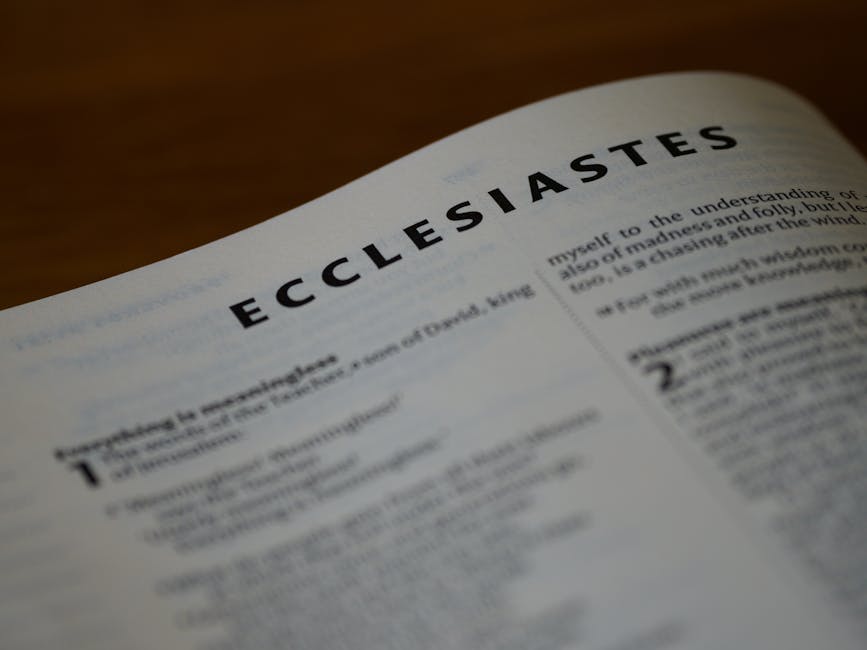
The third biblical principle for investing is diversification. While the word “diversification” might sound like modern financial jargon, the concept appears clearly in Scripture. The Book of Ecclesiastes, often called a book of wisdom and reflection, addresses the importance of spreading risk rather than putting all resources into a single venture.
“Ship your grain across the sea; after many days you may receive a return. Sow your seed to seven, yes to eight, for you do not know what disaster may come upon the land.” — Ecclesiastes 11:2 (NIV)
This passage uses the metaphor of shipping grain across the sea and sowing seed in multiple locations to illustrate a fundamental investment principle: avoid concentrating all your resources in one place. The writer of Ecclesiastes lived in an era where merchant trading and agriculture were the primary wealth-building activities. A trader who sent all his cargo on a single ship risked total loss if that ship sank. A farmer who planted all his seed in one field risked losing everything to a localized disaster—poor soil, drought, or pest infestation. By spreading resources across multiple ventures, the wise person reduces the impact of any single failure. This principle remains as relevant today as it did in ancient times.
“Anyone who loves money never has money enough; whoever loves wealth is never satisfied with their income. This too is meaningless.” — Ecclesiastes 5:10 (NIV)
Diversification serves both a practical and a spiritual purpose. Practically, it follows basic risk management—you don’t want the failure of a single investment to devastate your financial security. If you invest heavily in a single stock and that company faces bankruptcy, you could lose a substantial portion of your wealth. If you diversify across multiple stocks, sectors, and asset classes, the failure of any single company has limited impact on your overall portfolio. Spiritually, diversification reflects both wisdom and trust in God’s providence. It’s not that diversification demonstrates a lack of faith; rather, it’s a realistic acknowledgment that we can’t predict the future and that spreading risk is a wise stewardship practice.
Modern portfolio theory supports what Ecclesiastes taught centuries ago. By diversifying across different asset classes—stocks, bonds, real estate, and other investments—you create a portfolio with reduced volatility and more consistent returns over time. Different investments perform differently under various market conditions. When stocks decline, bonds might hold steady or increase in value. When domestic markets struggle, international investments might flourish. This doesn’t mean your portfolio will never experience losses, but it means you’re not betting everything on a single outcome.
For Christian investors seeking to align their portfolios with their values while maintaining diversification, this principle becomes especially important. Rather than feeling forced to choose between diversification and ethical investing, modern resources have made it possible to do both. Platforms like Inspire Investing and Timothy Plan allow investors to access diversified portfolios of companies that meet biblical and values-based screening criteria. You might also explore how to build a biblical responsible investing portfolio that spreads risk across multiple ethical companies and sectors. The principle is that you’re diversifying your risk while maintaining integrity in your investment choices.
A practical example illustrates this principle. Rather than investing $50,000 entirely in a single stock, you might allocate $25,000 to a diversified stock index fund, $15,000 to bonds, $5,000 to international stocks, and $5,000 to real estate investment trusts. If the stock market experiences a significant downturn, your bonds and international holdings provide some stability. If you’d invested everything in a single stock and that company faced challenges, the impact would be devastating. Diversification is wisdom in action.
Principle 4: Integrity—Avoid Profiting from Harm
The fourth biblical principle for investing is integrity. This principle addresses not just how we invest but what we invest in. Integrity means aligning our investment choices with our values and avoiding profiting from activities that contradict biblical principles. The Bible consistently emphasizes that ill-gotten gains carry spiritual weight and consequences, while honest gain builds a solid foundation for wealth.
“The house of the righteous contains great treasure, but the income of the wicked brings them trouble.” — Proverbs 15:6 (NIV)
This proverb distinguishes between wealth built on righteousness and wealth generated through wickedness. From a purely financial perspective, you might wonder: does it matter? If a company is profitable and its stock performs well, shouldn’t that be enough? The Bible suggests otherwise. Your investment choices aren’t morally neutral. When you purchase shares in a company, you become a partial owner. You’re not just seeking financial returns; you’re also endorsing and supporting the company’s business practices. As Christians, we’re called to a higher standard—one that considers the full ethical implications of our financial choices.
“Ill-gotten treasures have no lasting value, but righteousness delivers from death.” — Proverbs 10:2 (NIV)
Proverbs 10:2 points to a deeper truth: there’s something fundamentally unstable about wealth built on unethical foundations. This plays out in real life. Companies that engage in fraudulent practices, exploit workers, cause environmental damage, or benefit from human suffering may generate short-term profits, but they face reputational damage, legal consequences, and the inherent instability that comes from operating on corrupt foundations. As a Christian investor, you shouldn’t want to profit from these practices regardless of their financial potential. The Bible is clear: “the wicked” face trouble, and that trouble ultimately affects those who’ve invested in their enterprises.
The principle of integrity extends beyond simply avoiding obvious moral evils. It means thinking carefully about what industries and business practices align with your Christian values. Some investors might feel convicted about investing in companies that produce alcohol, tobacco, or contraceptive products. Others might be concerned about excessive corporate debt, labor practices, environmental impact, or political lobbying efforts. These are legitimate considerations for the integrity-focused investor. The good news is that understanding what biblical responsible investing is and exploring Christian investment screening methods makes it increasingly possible to build a portfolio that generates returns while maintaining your ethical standards.
This principle directly addresses what makes the benefits of Christian investing so significant. Beyond the financial returns, Christian investors gain the peace of knowing their money isn’t supporting activities that contradict their deepest values. You’re not waking up wondering whether your 401(k) is funding companies engaged in exploitative practices. You’re building wealth in a way that aligns with your conscience and your Christian witness. This peace has real spiritual and psychological value.
A practical example helps clarify how integrity shapes investment decisions. Suppose you’re considering two companies in the technology sector. Both have similar financial profiles and growth potential. However, you learn that Company A has a strong record of ethical labor practices, environmental responsibility, and charitable giving. Company B, by contrast, has faced multiple lawsuits regarding labor conditions and has lobbied against environmental regulations. As an integrity-focused investor, the choice becomes clear, even if Company B might theoretically generate higher returns. You choose to invest in the company whose practices align with your values.
Principle 5: Contentment—Invest from Peace, Not Greed
The fifth biblical principle for investing is contentment. This principle addresses the motivational foundation of investing. Why do you invest? The answer profoundly shapes your approach. If you’re driven by greed and discontent—always wanting more, never satisfied with what you have—your investing will be characterized by reckless risk-taking, impulsive decisions, and constant anxiety. But if you’re rooted in contentment, your investing becomes a disciplined, peaceful practice that builds toward legitimate goals without consuming your peace.
“Keep your lives free from the love of money and be content with what you have, because God has said, ‘Never will I leave you; never will I forsake you.’” — Hebrews 13:5 (NIV)
This passage from Hebrews directly connects freedom from the love of money with contentment. The two aren’t unrelated. When money becomes the object of your devotion—when accumulating wealth is your ultimate goal—discontent inevitably follows. There will always be someone wealthier, another investment opportunity that promises higher returns, one more thing you feel you need. But when you’re content, recognizing that God provides for your needs and that your security rests in Him rather than in your portfolio balance, you can invest with peace and wisdom rather than desperation and greed.
“For the love of money is a root of all kinds of evil. Some people, eager for money, have wandered from the faith and pierced themselves with many griefs.” — 1 Timothy 6:10 (NIV)
Paul’s warning to Timothy in 1 Timothy 6 is remarkable in its clarity. The problem isn’t money itself but the love of money. Greed—the insatiable desire to accumulate more and more wealth—leads people away from their faith and results in many griefs. Think about the investor who becomes obsessed with beating the market, constantly trading, taking excessive risks, losing sleep over portfolio performance. Think about the investor who makes unethical compromises because the potential profits are too great to resist. Think about the investor who envies others’ wealth and becomes bitter about their own circumstances. These are the griefs that Paul references. They’re the spiritual and emotional costs of allowing love of money to drive your decisions.
Contentment, by contrast, isn’t about being passive or unambitious. Biblical contentment doesn’t mean you shouldn’t pursue legitimate financial goals or work toward financial security. Rather, it means your peace and sense of worth aren’t dependent on achieving specific wealth levels. It means you can invest consistently toward your goals without anxiety consuming your life. It means you can experience satisfaction in incremental progress. Contentment means you’re not constantly comparing your portfolio to others’ or living in fear that a market downturn means failure.
“But godliness with contentment is great gain. For we brought nothing into the world, and we can take nothing out of it.” — 1 Timothy 6:6-7 (NIV)
This passage points to a remarkable truth: contentment paired with spiritual devotion yields “great gain”—not material gain necessarily, but something far more valuable. This reframes what we mean by investment success. Yes, growing your wealth toward legitimate goals is good stewardship. But the real success is maintaining peace, integrity, and spiritual vitality throughout the process. You can follow all the principles in this article and build substantial wealth, but if you do it from a place of greed and never feel satisfied, you’ve lost something essential in the process.
How does contentment practically shape your investing? It encourages you to establish clear financial goals rather than vague aspirations to “get rich.” Instead of asking, “How much money do I need to feel secure?” (a question without a clear answer for the greedy-hearted), contentment helps you ask, “What do I actually need to live with financial security and generosity?” Once you’ve identified that number, contentment allows you to invest toward that goal without the constant anxiety of wondering if it’s enough. It also makes you less susceptible to investment scams and schemes. The greedy investor is vulnerable to promises of quick riches and too-good-to-be-true returns. The content investor is cautious and realistic, understanding that legitimate wealth building takes time.
Principle 6: Generosity—Giving and Investing Work Together
The sixth biblical principle for investing is generosity. This principle recognizes that investing and giving aren’t opposed to each other but rather complementary expressions of faithfulness. When you understand the principle of stewardship—that everything belongs to God—generosity becomes a natural expression of your relationship with Him and His resources. The Bible teaches that generous giving creates its own kind of return, both spiritually and practically.
“Remember this: Whoever sows sparingly will reap sparingly, and whoever sows generously will reap generously. Each of you should give what you have decided in your heart to give, not reluctantly or under compulsion, for God loves a cheerful giver.” — 2 Corinthians 9:6-7 (NIV)
Paul’s teaching about generosity in 2 Corinthians 9 uses the metaphor of sowing and reaping. A farmer who plants few seeds can expect a small harvest. A farmer who plants generously can expect a generous harvest. While this passage is primarily about giving to support the church and those in need, the principle extends to all our financial practices. Generosity creates a posture of trust and opens us to God’s blessing. Moreover, there’s a psychological and relational benefit to generosity. When you’re regularly giving to others—whether through tithing, supporting missionaries, helping those in need, or investing in community development—you naturally become less focused on personal accumulation and more focused on impact and purpose.
“There is more blessed to give than to receive.” — Acts 20:35 (NIV)
Jesus Himself emphasized that giving brings greater joy than receiving. This paradoxical truth challenges the mentality that wealth accumulation is life’s primary goal. When you’ve built substantial resources through wise investing and you deploy those resources generously—supporting your church, helping those in need, investing in kingdom work—you experience a fullness and purpose that personal consumption never provides. The connection between investing and generosity becomes clear: as you build wealth through disciplined investing, you create the capacity to give generously. These aren’t competing values but rather complementary ones.
In practical terms, generosity shapes how you approach your overall financial strategy. Rather than seeing all your investments as purely for personal benefit, you recognize that part of your return might support charitable giving and kingdom work. Some Christian investors intentionally allocate a percentage of their investment returns to charitable giving, recognizing that they’re stewarding God’s resources, not purely their own. Others establish charitable trusts or donor-advised funds that allow them to give generously over time while maintaining some control over how their gifts are distributed. Understanding how tithing and giving fit into your overall financial plan helps integrate generosity throughout your financial life, not just in investing.
The relationship between investing and generosity also appears in Christian retirement planning. Rather than simply maximizing personal retirement savings, you might consider how your eventual wealth can serve others. If you build a substantial nest egg through faithful investing, that creates opportunities for significant charitable impact in your later years. You’re not just investing for yourself; you’re building capacity to be generous.
“Whoever gathers money little by little makes it grow. Whoever loves money must never have enough. That doesn’t have any sense at all.” — Proverbs 13:11 (paraphrase from various translations)
This proverb points to the sustainable nature of gradual wealth building paired with the ultimate futility of greed-driven accumulation. A person who builds wealth gradually through disciplined investing and shares generously along the way achieves something sustainable and meaningful. The person obsessed with accumulation never feels satisfied. By integrating generosity into your investing plan, you break the cycle of insatiable desire and create a pattern of faithful stewardship and meaningful impact.
Principle 7: Wisdom—Seek Counsel and Plan Carefully
The seventh and final biblical principle for investing is wisdom. Throughout Scripture, wisdom is presented as the most valuable thing we can pursue—more valuable than gold, more precious than jewels. When it comes to investing, wisdom means seeking counsel, planning carefully, and avoiding foolish decisions. The Book of Proverbs is filled with encouragement to seek wise counsel and warnings against making decisions in isolation.
“Plans fail for lack of counsel, but with many advisers they succeed.” — Proverbs 15:22 (NIV)
This simple statement contains profound truth for the investor. Making investment decisions in isolation is risky. You might have blind spots, gaps in knowledge, or biases that skew your judgment. By seeking counsel from others—whether financial advisors, knowledgeable friends, experienced investors, or wise mentors—you gain perspective and avoid costly mistakes. This doesn’t mean abdicating responsibility for your investments. Rather, it means being humble enough to recognize that others have knowledge and experience you can learn from. Seeking counsel is particularly important in investing because the field is complex, regulations change, and new opportunities emerge constantly.
“The wise store up knowledge, but the mouth of a fool invites ruin.” — Proverbs 10:14 (NIV)
Wisdom involves acquiring knowledge. The foolish investor makes decisions without understanding what they’re doing. They buy stocks based on tips from friends without researching the company. They invest in complex products they don’t understand because a salesperson promises high returns. They follow trends without considering whether an investment fits their goals and values. The wise investor, by contrast, takes time to learn. They understand basic investing concepts, they research companies and funds before investing, they ask questions, and they continue learning throughout their investing journey.
For Christian investors, acquiring wisdom about investing means exploring resources that combine financial knowledge with biblical guidance. Learning what Christian investing means and understanding types of Christian investing available helps you make informed decisions. Researching specific platforms and approaches, like understanding Inspire Investing or Timothy Plan options, equips you with practical knowledge. Studying Christian budgeting principles helps you create a financial foundation that supports your investing goals. All of this learning is an expression of wisdom—the commitment to understanding what you’re doing rather than making uninformed decisions.
“The fear of the Lord is the beginning of wisdom, and knowledge of the Holy One is understanding.” — Proverbs 9:10 (NIV)
Wisdom ultimately rests on a foundation of reverence for God. The wisest investors recognize that their investment decisions have spiritual dimensions and seek to honor God through their choices. They’re not pursuing financial gain as an end in itself but as a means of faithful stewardship. They understand that the benefits of Christian investing extend beyond financial returns to include peace of mind, alignment with values, and spiritual integrity. This fear of the Lord—this reverence and respect for God’s authority—shapes how they approach every investment decision.
Practically, wisdom in investing means developing a written investment plan. Rather than making decisions impulsively, you identify your financial goals, assess your risk tolerance, determine how long you’ll be investing, and establish a strategy that matches your circumstances. Wisdom means regularly reviewing your investments but not obsessing over short-term fluctuations. It means understanding the difference between active trading (which is rarely successful) and long-term investing. Wisdom means recognizing that you won’t time the market perfectly and that’s okay—consistent, long-term investing typically outperforms attempts at market timing. It means diversifying as we discussed earlier, rather than betting everything on a single idea.
Integrating These Principles into Your Investing Strategy
Understanding these seven biblical principles is valuable, but their real power emerges when you integrate them into a cohesive investing strategy. These principles aren’t meant to be considered in isolation but rather to work together, each reinforcing and strengthening the others. Stewardship grounds all your decisions in the recognition that you’re managing God’s resources. Diligence ensures you consistently work toward your financial goals. Diversification protects your resources and reduces unnecessary risk. Integrity ensures that your investments align with your values. Contentment keeps you from being enslaved by greed and allows you to invest with peace. Generosity opens you to purposeful wealth that serves others. Wisdom ensures that your decisions are informed, thoughtful, and aligned with biblical guidance.
As you implement these principles, remember that biblical investing isn’t primarily about achieving the highest possible returns. It’s about building wealth in a way that honors God, maintains your integrity, and positions you to be generous. The good news is that these two goals—honoring God and building wealth—aren’t in conflict. History and research both demonstrate that companies and practices aligned with biblical values are often sustainable and successful. Conversely, unethical practices may generate short-term profits but often face long-term consequences. By anchoring your investments in biblical principles, you’re actually positioning yourself for both spiritual success and financial success.
The journey of biblical investing begins with understanding the risks of Christian investing—not to discourage you, but to help you navigate them wisely. It continues as you explore various Christian investing platforms compared to find tools that align with your values. Throughout the process, resources like Christian investing tools and guides on Christian retirement planning help you stay grounded in biblical principles while pursuing your financial goals. The integration of faith and finance isn’t something to struggle with but rather to embrace as a natural expression of your Christian commitment.
Moving Forward with Confidence
Adopting biblical principles for investing your money isn’t about achieving perfection or making investments that generate absolutely no ethical concerns. It’s about taking a thoughtful, values-based approach to how you deploy your resources. It’s about recognizing that every dollar you invest represents a choice, and those choices matter both practically and spiritually. When you invest with these seven principles guiding your decisions—stewardship, diligence, diversification, integrity, contentment, generosity, and wisdom—you position yourself to build lasting wealth while maintaining spiritual peace and moral integrity.
The biblical principles explored in this article are as relevant today as they were when written centuries ago. Markets change, technology evolves, and investment vehicles multiply, but human nature remains constant. We still struggle with greed, fear, and the desire for quick riches. We still need reminders to work diligently, seek counsel, and maintain our integrity. We still benefit from spreading risk and maintaining contentment. The timeless nature of these biblical principles makes them an invaluable foundation for investment decisions in any era.
Whether you’re just beginning your investing journey or seeking to realign your current investments with biblical values, these seven principles provide direction. Start where you are, apply what you can, and continue learning and growing. As you implement these biblical principles for investing your money, you’ll discover that faithful stewardship isn’t burdensome—it’s liberating. You’ll experience the peace that comes from making decisions aligned with your deepest values. You’ll witness the power of consistent, disciplined action over time. You’ll find opportunities to be generous as your wealth grows. And ultimately, you’ll honor God through your financial stewardship, knowing that you’re managing His resources with integrity, wisdom, and faith.